

A Guide for Understanding Donation
All of us at HonorBridge wish to extend our deepest condolences to you and your family
In this moment, everything can feel overwhelming. You may be trying to process what has happened while also being asked to make important decisions. You are not expected to have all the answers right now, and you do not have to make every decision at once.
Our team is here to walk alongside you at your pace. We will be present with you during each step to explain the donation process and address your questions and concerns.
Our hope is that this information will help guide you through understanding the donation process and what to expect in the hours and days ahead.
Organ donation can be a meaningful way to help others in need of lifesaving transplants. Many families share that donation brings a sense of comfort, knowing their loved one’s life has made a difference for others.

Table of Contents
HOW DECISIONS ARE MADE
Donation is a deeply personal decision.
Some individuals have already made this decision by signing up as an organ donor. Others rely on their family or legal next-of-kin to make this decision on their behalf.
As you consider this, many families find it helpful to reflect on what their loved one would have wanted, as well as the opportunity donation provides to help others.
An HonorBridge Support Coordinator will guide you through the process, answer your questions, and give you the time you need. The decisions you make will be respected.
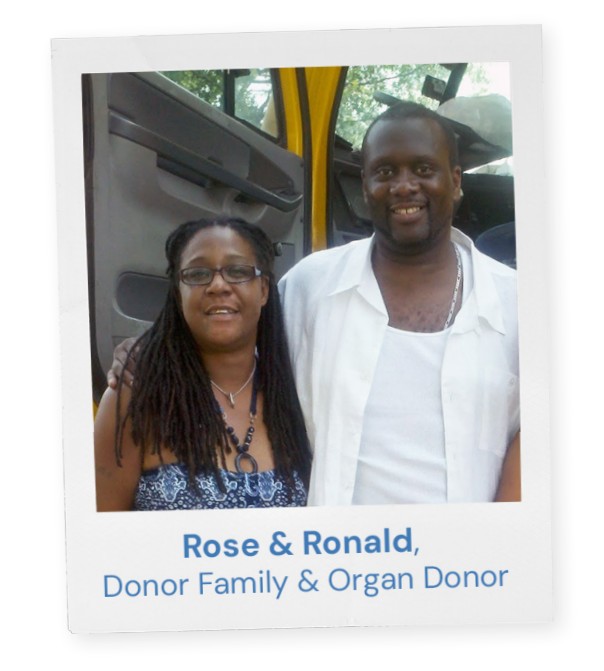
My cousin, Ronald, was the first organ donor in our family. The HonorBridge team was very knowledgeable, took their time explaining things, and stuck with us from the very beginning all the way to the end. Our experience with HonorBridge was awesome. I don’t know what they do for everybody else, but for our family, they did very well.
Rose, Donor Family Member
WHAT TO EXPECT
The time needed for organ donation to occur varies for each donor (typically 2-3 days) from the time the process begins. Your gift of time allows for more lifesaving gifts to be transplanted. During this time, your loved one will remain in their room while the ventilator and other support continues. Your Support Coordinator will walk you through each step.
To begin the process
- You will meet with a Support Coordinator from HonorBridge.
- You can ask questions and take time to consider the donation process.
- Complete authorization and disclosure paperwork.
- You may begin funeral or memorial arrangements. Open casket viewing of your loved one is possible after organ, tissue, and eye recovery.
NEXT STEPS
Medical evaluations help determine which organs and tissues may be suitable for donation. You may notice periods of waiting during this time. These moments are part of ensuring the best possible match for the donor’s gifts. A national system is used to identify recipients who need these lifesaving gifts. HonorBridge partners with the hospital for the needed testing and to schedule the recovery surgery.
DAY OF RECOVERY
- Organ recovery is carefully coordinated with the transplant teams.
- Organs and/or tissues are recovered surgically in an operating room.
- The incision is stitched closed at the completion of recovery.
- Your loved one is treated with dignity and respect throughout the process.
AFTER RECOVERY
- Your loved one is released to the funeral home or medical examiner (if involved).
- Our Family Resource Program will send grief resources, share general information about the recipients and offer additional ways to remember and honor your donor hero.
- We will continue to keep you informed throughout this process.
SUPPORT OFFERED TO DONOR FAMILIES
Your HonorBridge Support Coordinator offers services to support and honor your loved one, including:
- Memory Items: Keepsakes such as hand impressions, fingerprint stones, and heartbeat strips.
- Moment of Honor: A gathering for family and hospital staff to recognize your loved one’s heroic gift.
- Honor Walk: A hospital-guided tribute as your loved one is transported for donation. Each hospital has a different process and policy, we are happy to work with the hospital team to honor your loved one in this way.
- Donate Life Flag: Some hospitals display a Donate Life flag in honor of organ and tissue donors. Please ask your coordinator about this.
- Children’s Resources: Support and guidance for helping children talk about grief and loss.
WHAT ORGANS CAN BE DONATED?
One organ donor can save up to 8 lives.
- Heart: Transplanted for patients with severe heart disease, including cardiomyopathy and coronary artery disease.
- Lungs: Help patients with life-threatening lung diseases such as emphysema and cystic fibrosis.
- Kidneys: Eliminate the need for dialysis and treat end-stage kidney failure.
- Liver: Saves patients with cirrhosis and other serious liver diseases.
- Pancreas: Can free diabetic patients from insulin injections and reduce complications.
- Small Intestine: Often transplanted in children with short bowel syndrome or intestinal abnormalities.
WHAT TISSUES CAN BE DONATED?
A single tissue donor can touch the lives of more than 75 people as tissues are used in a variety of procedures that can save lives, repair limbs, relieve pain or enhance a patient’s quality of life.
- Heart Valves: Replace damaged valves, often helping children with heart defects.
- Veins & Arteries: Restore blood flow and circulation.
-
Skin: Treats burn survivors, supports healing, and aids reconstructive surgeries.
- Bone: Used in surgeries to repair bone loss from cancer, trauma, or disease, helping preserve mobility.
- Tendons & Ligaments: Support orthopedic and reconstructive procedures, including knee and ankle repairs.
- Eye Tissue: Can restore sight through corneal transplants. All eye donations are coordinated and performed by local eye banks.
Many families are surprised to learn that a person’s medical history, age, or lifestyle do not automatically rule out the opportunity for organ, eye, and tissue donation. In this time of loss, your loved one may still have the ability to heal and save lives through donation.
WILL ALL THE ORGANS AND TISSUES I AUTHORIZED FOR RECOVERY BE USED FOR TRANSPLANT?
We make every effort to honor your loved one’s gift. However, not all organs or tissues may be a match at this time. Additional information may be identified during medical review or at the time of recovery. In some cases, the Medical Examiner may limit donation. Final decisions are made by the transplant surgeon during recovery. This is a normal part of the process and does not take away from your loved one’s generosity. We are grateful for your patience and trust as we do everything we can to carry out this gift.
ORGAN DONATION PATHWAYS
Organ donation can occur in different ways, depending on your loved one’s medical situation.
Brain Death
In some cases, a patient is declared dead based on neurologic criteria, often called brain death. This means there is a complete and permanent loss of brain function and is recognized as death both medically and legally.
Donation After Circulatory Death
In other cases, donation may occur after a decision has been made to stop life-sustaining treatment by you and the medical team. Donation after withdrawal of life-sustaining therapies is called donation after circulatory death.
YOU CAN PAUSE THE PROCESS
At any point in the donation process, you or anyone involved in the patient’s care may ask for the donation process to be paused. If you have concerns about a change in your loved one’s condition, their comfort, or a change in the plan to stop life-sustaining treatment, please tell an HonorBridge coordinator to pause the process. Your concern will be shared with the appropriate hospital care team and addressed before the donation process continues. Asking for a pause does not change your loved one’s authorization for donation.
HONORBRIDGE DONOR CARE UNIT (DCU)
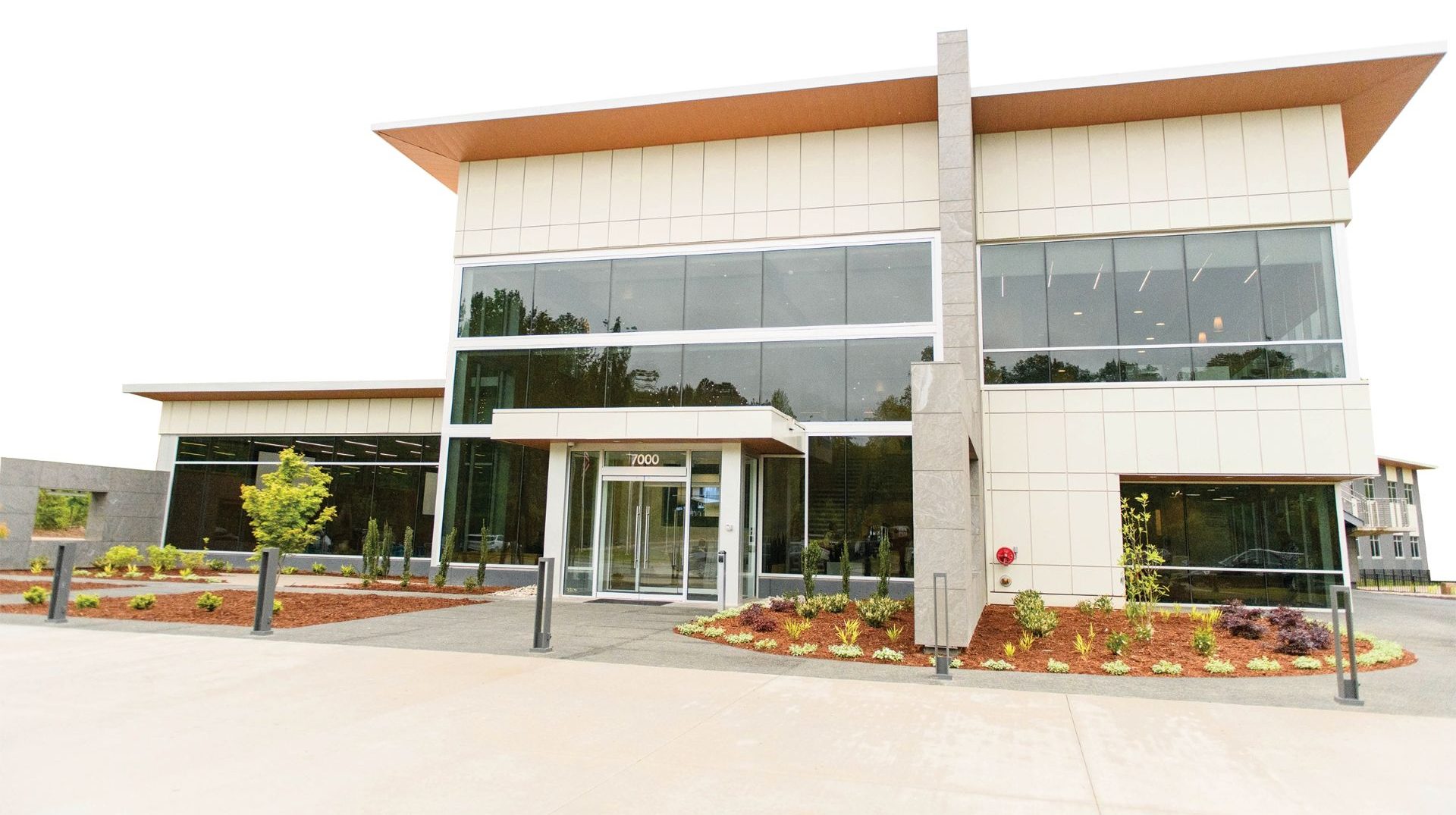
If your loved one is declared brain dead, they may be transferred to HonorBridge’s Donor Care Unit (DCU) in Chapel Hill to support the donation process.
The DCU is a specialized setting where our team focuses on caring for your loved one and coordinating donation, which can help the process move more efficiently.
You are also welcome to visit the DCU. We have large, comfortable space for your family to gather with your support coordinator. At times, just like at the hospital, visits may be limited while certain procedures are taking place.
While your loved one is in our care, you may choose to go home, make arrangements, or take time with family. Your HonorBridge Support Coordinator will keep you updated.
HONORBRIDGE DONOR CARE UNIT
7000 Millhouse Road
Chapel Hill, North Carolina 27516
FREQUENTLY ASKED QUESTIONS
Will my loved one feel any pain?
No. Organ recovery only happens after your loved one has been declared deceased by a member of the hospital care team.
Is there a charge for donation?
No. All costs associated with donation are paid for by HonorBridge. Your family is responsible for hospital charges before the death declaration and for funeral expenses.
Can we still have an open-casket viewing?
Yes. Your HonorBridge Support Coordinator can discuss the impact of donation on your loved one’s appearance.
What if I know someone on the transplant waiting list?
You may choose to direct organ(s) to someone who is actively listed at a transplant center. To start this evaluation process, you would need to gather a few details from the potential recipient, including their name, the type of organ they need, their date of birth and/or social security number, blood type (if known), and the transplant center where they are listed.
While every effort will be made to honor your request, directed donation cannot be guaranteed. Medical suitability, organ compatibility, timing, and other clinical factors must be carefully evaluated by the transplant team before a directed donation can occur.
Do I need to remain at the hospital the entire process?
Each family is unique and all say goodbye differently. Most families make the decision to go home to be with other family members; however, you are welcome to stay if it is more comforting to you. Please know that HonorBridge staff will remain at the hospital with your loved one until the organ recovery has concluded.
Will I know who receives my loved one’s organs?
After the organ recovery process is complete, you will be updated by your HonorBridge Support Coordinator about what organs were recovered. A few weeks after the recovery, you will receive follow-up information with more details about the recipients. HonorBridge takes every effort to maintain the privacy of our donors and their recipients.
Additional Questions?
During the donation process, please reach out to your Support Coordinator for any time-sensitive questions or immediate needs. After the donation process is complete, our Family Resource Team is available to provide continued support and answer any questions you may have. You can contact us at 1-800-200-2672 (option 2) or at familyresources@honorbridge.org
ABOUT HONORBRIDGE
HonorBridge is the federally designated organ procurement organization serving 7.5 million people in 78 counties of North Carolina and Virginia.
Our team of dedicated professionals works diligently to increase awareness of the need for organ and tissue donors and to deliver the most sensitive approach to organ and tissue donation. HonorBridge facilitates the recovery of lifesaving organs and recovers tissues that help thousands of people regain their mobility and independence while improving their quality of life.
HonorBridge has a department of Family Support Coordinators and In-House Donation Specialists available during and after the donation process to answer questions and to provide information, support, and resources to you and your family.
STEPS IN THE ORGAN DONATION PROCESS
- Meet with HonorBridge Support Coordinator
- Complete authorization and medical/social history paperwork
- Blood obtained, along with other tests, to determine suitability and compatibility
- Recipients for your loved one’s gifts identified
- Organ recovery time is scheduled
- Memory making with your family
- Operating room preparation and arrival of organ recovery teams
- Organ recovery
- Your loved one is released to the funeral home or Medical Examiner (if applicable)
- Recovery outcome letter and grief resources to arrive within 40 days after donation from our Family Resource Program
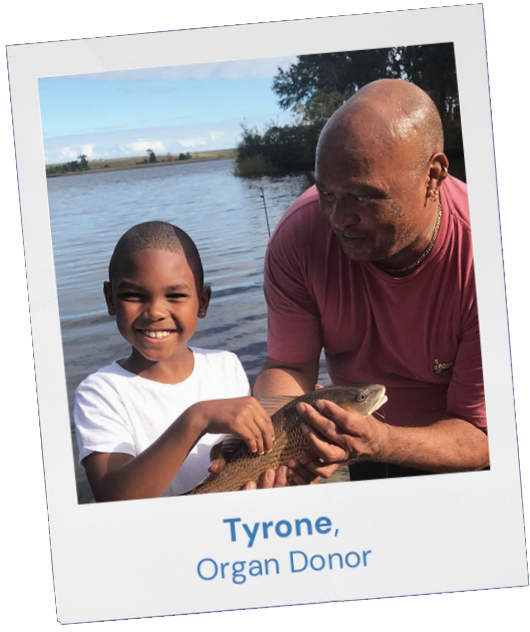
“The HonorBridge team was incredibly kind and caring. They were there for me, just like family. With HonorBridge, the support didn’t end. It continues, and that makes all the difference.”
TYRISHA BERRY, Daughter of Tyrone Berry
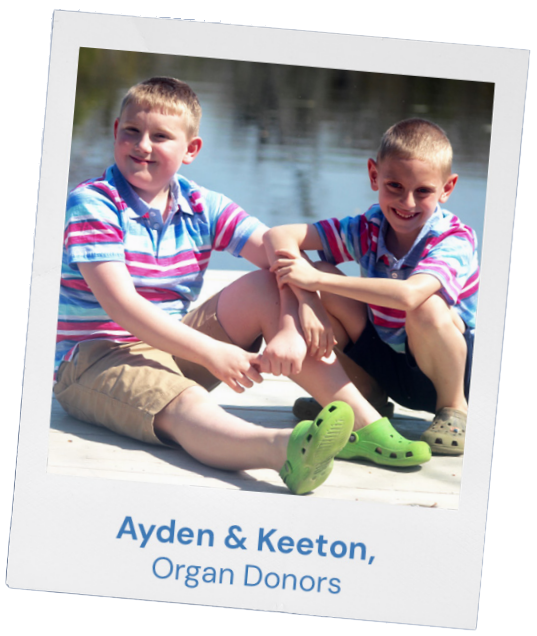
“It helps to know that there’s a mom whose child now has a chance that they might not have had...this gives me hope, because I know that there’s a family out there, or multiple families, who got a phone call in my darkest time, and it became their best.”
CHRISTY, Donor Mom