
Saying yes to organ, eye, and tissue donation isn’t always easy. In fact, for families who have just lost someone they love, it can be one more difficult decision in an already devastating moment. There may be concerns to work through, a strict time frame to consider, and emotions that are difficult to put into words.
A yes often comes with hesitation. It may take time, difficult conversations, and a chance to step back and think. But even a hesitant yes can give our neighbors another chance at life. For Jordan Lowry’s family, that decision came at a time when saying goodbye was the last thing they were ready to do.
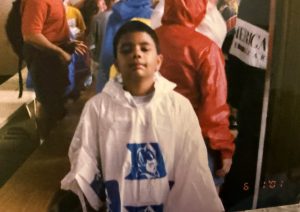
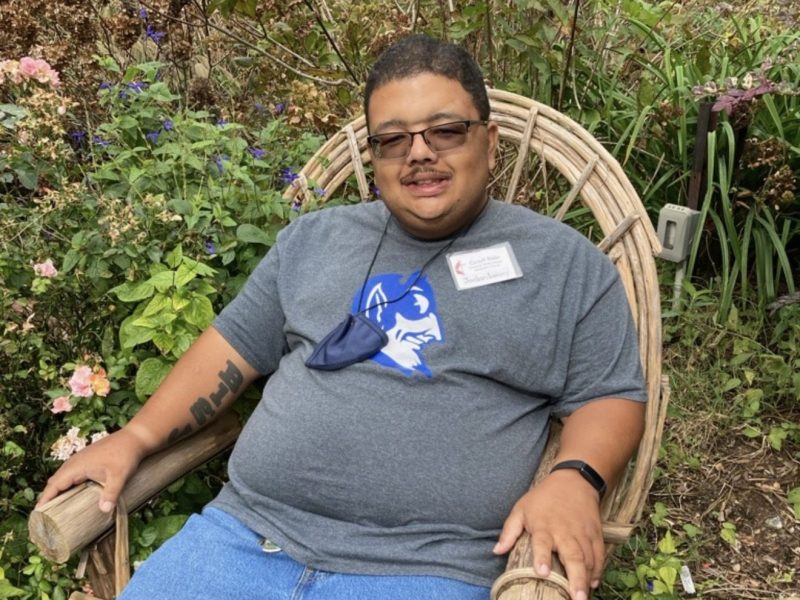
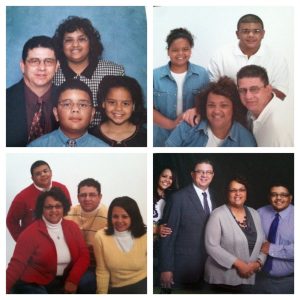
At 36, Jordan loved Duke basketball, country music, his family, his church, and serving others. His Lumbee heritage and his family’s strong ties to the local faith community were important parts of his life.
His father, Herbert, is a graduate of Duke Divinity School. He also serves as the first Indigenous pastor of Chestnut Street Methodist Church in Lumberton, North Carolina, known as the “Mother Church of Lumberton.” Altmann, Jordan’s younger sister, explained how giving out lunch bags to our hungry neighbors and going on group outings with the church were among his favorite activities.
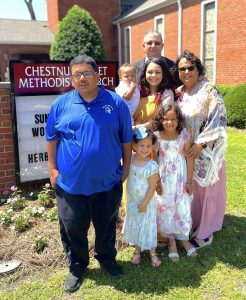
“On Mondays, he couldn’t miss Meals on Wheels,” Altmann said. “On the last Tuesday of each month, they (Herbert and Jordan) would go and see the residents of Wesley Pines, a senior living community, have a devotion and sing with them. He used to call himself our dad’s ‘Associate Pastor!’ He didn’t know how much light he brought into the room. Jordan’s been special since the day he was born.”
Despite living with epilepsy, Jordan continued to accomplish things that made his family proud.
“Jordan always did his homework, worked on his projects, went to class, and earned his high school diploma,” said Altmann. “Jordan had seizures but didn’t use it as an excuse to not do things. He never complained about anything.”
His mother, Connie, remembers Jordan as thoughtful and compassionate, someone who simply enjoyed being around the people he loved.
“He loved getting together with the family,” Connie said. “He was thoughtful and never asked for anything. He loved being at church, every time the door was open. He would always sing the hymns just a little off beat, but he knew the words without having to look at them. He was very intelligent, very smart.”
Herbert was Jordan’s constant companion. Wherever his father went, Jordan was likely to be right beside him, whether they were attending district church meetings, attending dog trials, running errands at local shops, or spending time out in the community.
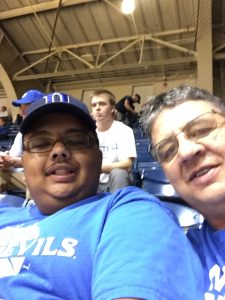
“Everywhere they went, they went together,” said Ronda, Herbert’s sister. “They were best friends.”
During one of those outings, Jordan accompanied his father to the local DMV to get a state ID. It was then that he made the decision to sign up as an organ donor.
“He said, ‘I won’t need them. If somebody else can have them and they will help somebody, then why wouldn’t I?’ He understood what he was doing,” Connie said.
Years later, in September 2026, Jordan was hospitalized following a severe seizure. The decision he had made at the DMV years earlier suddenly took on new meaning. His family had been preparing to say goodbye once Jordan was taken off the ventilator. Having to pause those plans and consider organ donation was extremely difficult, particularly for Jordan’s father.
“You have to understand—my dad is a man that when his mind’s made-up, he’s adamant about it,” said Altmann. “The process prolonged our goodbye by hours, and he just wanted it to be over. Not that he wanted to lose his son, but he wanted his son to be at peace.”
Katie Ridd, an HonorBridge Family Support Coordinator, guided the family through each step of the process. Ultimately, Herbert’s faith, along with Connie’s experience as a social worker and transplant coordinator at a dialysis clinic, helped him find the strength to reconsider.
“When Herbert said no, I didn’t want to argue with him, but I did say, ‘I want you to think about your distant cousin Kenwin, who received a heart, and our friend, Willie, who received a liver—as well as my patients at the dialysis clinic,” said Connie. “I told him Jordan could give several people a second chance at life. Jordan was young, and other than the seizures, he was in great health. So, I asked him to reconsider. I left him alone, and I started praying.”
After spending some time alone, Herbert decided to honor his son’s decision and move forward with donation. Connie said she began thinking about the people who would receive Jordan’s organs and imagined the joy their families would feel knowing their loved ones had been given a second chance at life.
“I just started praying,” Connie said. “I said, ‘Lord, I want you to make it work.’ I prayed all the organs would be perfect matches.”
Both kidney donations were a success, and today both recipients are doing well, the family said. Jordan’s heart and lungs were also donated, though the family has not yet received updates on the outcomes of those gifts.
One family sent flowers to Jordan’s funeral, along with a card thanking his family in the “midst of their own unimaginable loss” for giving them more time with their family member.
“When I received that card, it was proof to me that grief and joy can coexist,” Connie said. “My grief was so intense at that moment, but my joy was overflowing for these families. It was so bittersweet. Now, I feel called to bring awareness to the importance of organ donation. I don’t know what that’s going to look like, but I’ve asked God to open the door for us.”
Jordan’s story also underscores the importance of ensuring every community has access to accurate information about organ, eye, and tissue donation. Native Americans are disproportionately represented among those waiting for organ transplants yet remain underrepresented among registered donors. Increasing awareness, addressing misconceptions, and encouraging more people in these communities to consider donation can help give more patients the opportunity for a lifesaving transplant.
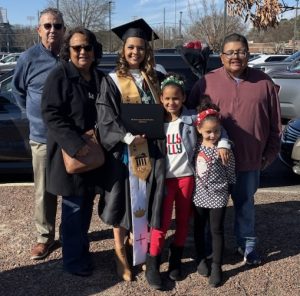
Altmann is a part of an American Indian Leadership Program at Campbell University, designed to build up‑and‑coming tribal leaders across North Carolina. She sees her brother’s story as the perfect way to educate members of the Lumbee community about the importance of donation.
“I’m part of a group that discusses barriers to access and health outcomes,” Altmann said. “I started asking Mom about some of the barriers we face as a community, like transportation and a lack of education. Some people don’t know much about organ donation or don’t think about signing up when they get their ID. We’re excited to see what this story can do and how we can use it to advocate for the Lumbee community and help make information and education more accessible.”
Despite the family’s initial hesitation, they find comfort in knowing that Jordan’s gifts are helping others live healthier lives, both in their community and beyond. They are also grateful to the HonorBridge and Novant Health staff who came together to honor Jordan through an honor walk and other meaningful keepsakes, including fingerprints.
“I appreciate them giving us all the space and time we needed with Jordan and making everything as memorable as possible,” Altmann said. “Everyone was so gentle with us. During the honor walk, when they could have been busy checking vitals for someone else, everyone took the time to stand there with us and show their respects. It was really nice.”
Jordan’s loss has been deeply felt by his family, extended family, church family, and friends. But his decision to sign up as an organ, eye, and tissue donor has also brought hope to that same community, giving others more time with the people they love. Connie hopes that one day, the family can meet Jordan’s recipients.
“I want us to celebrate their lives and celebrate Jordan’s life,” Connie said. “We’re always going to miss Jordan, but now we know there’s a part of him that’s still alive.”
75 or more lives can be saved and healed by one organ, eye, and tissue donor. Sign up today!