Before my liver transplant in December 2024, I lived what looked like a normal, busy life. I worked a steady 9-to-5 job, played golf, and spent time with friends. On the outside, everything seemed fine. What most people didn’t see was that at night I drank heavily and partied. Over time, that lifestyle caught up with me, even though I convinced myself I was managing it.
About two months before my transplant, my body started sending warning signs I couldn’t ignore. My gums began bleeding for no reason. My skin turned yellow, and my body started retaining fluid. After nearly 20 years of drinking, I learned my liver was failing. Just days later, my body completely shut down. I was rushed to the emergency room and spent the next several weeks drifting in and out of consciousness, fighting for my life.
During that time, the illness took an enormous toll on my family and friends. My parents rarely left my side, watching helplessly as doctors worked to keep me alive. I was often unable to speak because of the medications or because I was unconscious. I later learned that many of my friends came to see me, sat with me, and talked to me—even when I had no idea they were there. Knowing now that the people I love had to watch me slowly dying is still heartbreaking.
After weeks in the hospital, I was told I would not be placed on the transplant list and was given just 72 hours to live. My family refused to give up. They pushed for a second opinion, and another hospital accepted me, flew me to their facility, and placed me on the transplant list immediately. The waiting was terrifying. At one point, my condition worsened so badly that I was removed from the list, news my family had to hear without me even being aware. Days later, my condition improved just enough for me to be relisted. Within 24 hours, I got the call. In that moment, everything changed. For the first time in weeks, I felt real hope—the hope that I might survive.
When I received the gift of a donor liver, I was given something far greater than improved health—I was given a second chance at life. Because of this, I carry an overwhelming sense of gratitude toward my donor.
I chose to write a letter to my donor’s family as a way to express my gratitude and acknowledge the incredible gift that was given to me. Writing that letter was deeply meaningful and emotional. It gave me the opportunity to reflect on the sacrifice that made my transplant possible and to share how profoundly their loved one’s decision had impacted my life. After sending the letter, I was notified by HonorBridge that they were unable to deliver it because my donor had no next of kin. Learning this was unexpectedly emotional. While I was grateful to have written the letter, knowing that there was no family to receive it made me think even more deeply about my donor as an individual.
I know very little about my donor, but what I do know carries great meaning. I know that they made the selfless decision to give the gift of life, even though they had no next of kin to speak for them or remember them personally. To me, that makes their generosity even more profound. Their legacy now lives on through the lives they saved, including mine, and I carry a deep sense of responsibility to honor that gift.
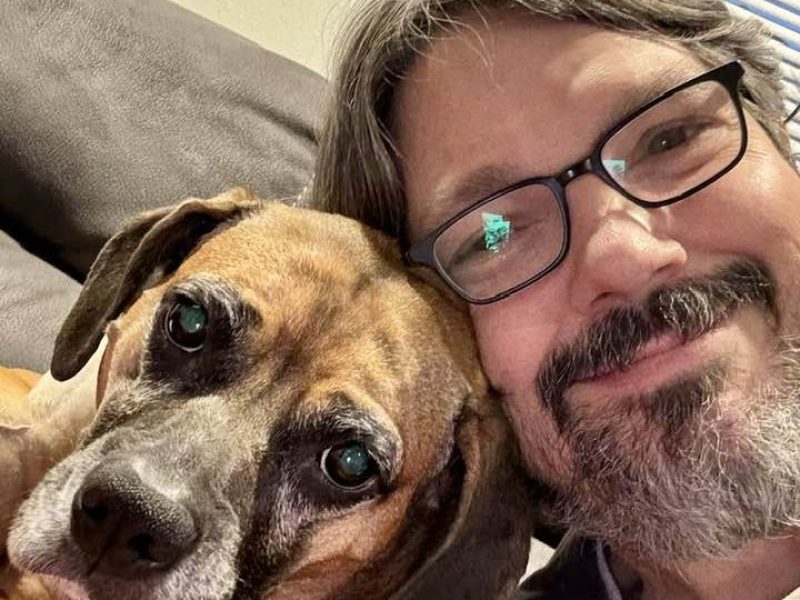
This experience has changed how I view life. Since my transplant, I focus more on healing, appreciating small moments, and spending time with the people and things I love—especially my family and my dog. I no longer take waking up each day for granted. Knowing that my life continues because of another person’s generosity has given me a renewed sense of purpose and gratitude. I try to honor my donor by taking care of my health and living in a way that reflects the value of the second chance I was given.
If I could meet my donor in person, I would simply say thank you. I would tell them that their decision saved my life and allowed me to look forward to the future again. I would want them to know that they are remembered, valued, and honored every day, even by someone who never had the chance to know them personally. I would promise them that I am doing my best to live a life that respects the gift they gave.
Although my letter could not be delivered and there was no donor family to receive it, my gratitude remains just as strong. My donor’s generosity has had a profound impact on my life, and I will always carry deep appreciation for the gift that allowed me to keep living my life.
My biggest accomplishment post-transplant has been learning how to walk again. After spending three months in the hospital, I lost all feeling and strength in my legs. Through two weeks of intensive physical therapy—and continued daily effort—I have been able to regain my strength and mobility. This journey has required persistence and determination, and I continue working every day to become stronger.
My everyday life now is dramatically different from my life prior to my transplant. Today, I am sober, clearheaded, and fully present. I approach each day with gratitude and purpose, making sure not to take anything for granted. Before my transplant, my illness limited both my physical abilities and my outlook on life. Now, I am able to actively participate in my own life and focus on my health and well-being.
There are many things I can do now that I couldn’t do when I was sick. I am able to move independently, stay active, and fully engage with my family and friends. Tasks that once felt impossible are now part of my daily routine, and I am proud of how far I’ve come.
One especially meaningful milestone was celebrating the one-year anniversary of my liver transplant. Reaching that mark was a huge accomplishment and a powerful reminder of how much I have overcome. It symbolized not only survival, but the beginning of a new chapter filled with hope and possibility.
Looking toward the future, I am able to make plans with confidence. My goals include continuing to build my strength, working hard, enjoying time with the people I love, and helping spread awareness about the importance of organ donation. My transplant has given me a second chance at life, and I am committed to making the most of it.
If it weren’t for someone choosing to become an organ donor, and for organizations like HonorBridge working tirelessly to connect donors with people like me, I would not be here today. I encourage everyone to become an organ donor, because if the day ever comes when that is your last chance to live, you will be forever grateful that someone chose to check that box.
75 or more lives can be saved and healed by one organ, eye, and tissue donor. Sign up today!