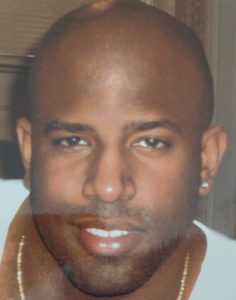
Like many North Carolinians, Delores Evans struggled with kidney disease for over 30 years. Her son, Ryan Benton Evans, even stepped forward to undergo testing to become her living donor, only to be disqualified due to a blood disorder. In November 2008, Ryan unexpectedly passed away. In the midst of her grief, Delores found the strength to say ‘yes’ to organ, eye, and tissue donation. Ryan’s incredible gifts not only saved the lives of others, but also her own, as she unexpectedly received her son’s kidney. Inspired by the power of generosity, Delores has dedicated herself to advocating for organ, eye, and tissue donation throughout North Carolina and beyond. In honor of HonorBridge’s 40th anniversary, we sat down with Delores to reflect on her remarkable 15+ year journey as a volunteer, educator, and passionate advocate for organ, eye, and tissue donation.
Fun Fact! Delores’ story inspired Kristi Jones, former Chief of Staff for Governor Roy Cooper, to publicly talk about her choice to become an anonymous kidney donor for the first time!
How long have you been involved with HonorBridge?
In 2009, one year after my son Ryan passed, I was asked to share our transplant story at a church during Organ Donor Month. One of the church members, whose son was also an organ donor, knew about our story and invited me to participate. Since then, I’ve been volunteering with HonorBridge, from 2009 to 2024.

How did your son’s donation inspire you to get involved with HonorBridge?
The family support coordinator from HonorBridge attended Ryan’s funeral, which deeply moved our family. Later, I began sharing our story at churches and community events. I noticed that people were visibly impacted—some cried, hugged me, or told me they hadn’t considered organ donation until hearing our story. I realized that something was happening, and it was greater than my grief and the loss of my son.
Did you know? Delores’ story inspired Kristi Jones, former Chief of Staff for Governor Roy Cooper, to publicly talk about her choice to become an anonymous kidney donor for the first time!
Over the years, in what capacity have you volunteered?
I have spoken at Duke University, UNC Memorial Hospital, Durham Regional Hospital, nurse’s conventions, and the Lt. Governor and Governor’s offices, to name a few. I have participated in the 2010 Rose Bowl Parade and countless other events, as well.
The most memorable was riding on an elaborately decorated float featuring my son’s floragraph in the Rose Bowl Parade. That moment was unforgettable—our story reached over 150 countries, and I even found it written in German online!
What has been the most rewarding moment for you as a volunteer?
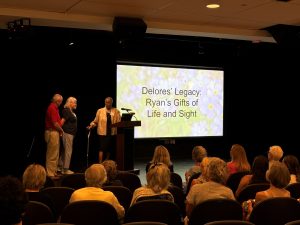
Representing donor and recipient families at HonorBridge’s ribbon-cutting ceremony was a proud moment. Hearing other African Americans say, “It’s good to see someone who looks like me sharing their story,” was incredibly meaningful.
What are some of the biggest changes you’ve seen in the organization since you first became involved?
There’s been a significant increase in cultural and ethnic diversity among participants. More people are open to conversations about organ donation and eager to learn how they can help.
How do you hope your story inspires others to consider organ donation?
Many private people have said to me, “If you have the courage to talk about losing your child and living with his kidney, then I can share my story, too.”
Hopefully hearing me speak can help dispel some myths surrounding organ donation. For example, Ryan’s heart and lung recipients were white men and total strangers, resulting in inter-racial transplants. Some people may think that black people only receive kidneys from black donors.
Many people haven’t heard of UNOS or the thousands waiting for transplants. I hope my story encourages more to register as donors.
What message would you like to share with other donor families or recipients?
- You are not alone.
- Share your need for a transplant widely; it increases your chances of finding a match.
- Learn about direct donations and UNOS.
- Discuss your decision to be an organ, eye, and tissue donor with loved ones.
- Remember, being a donor doesn’t prevent an open-casket funeral, which can help ease some families’ concerns.
- From my personal experience: My son’s heart recipient told me that he was discouraged from contacting us because he may feel like he “owed” us. You do not pay or “owe” a donor family!
As HonorBridge celebrates 40 years, what sets this organization apart?
I believe the staff had a direct positive influence on me. As referenced previously, seeing the coordinator at my son’s funeral meant a lot to us (she came to my son’s funeral on a Saturday), and the staff is always courteous and professional. HonorBridge also afforded my family and I the opportunity to represent the organization, to talk to other people about our experience, and to travel to events we would not have gone to otherwise.
Additionally, the staff has demonstrated to us, a donor family, that Ryan was more than a number or statistic!
Why would you encourage others to volunteer?
I can only speak for myself! As a former educator, activist, and attorney, I believe in spreading accurate information and dispelling myths about organ, eye, and tissue donation. Volunteering allows me to make a tangible difference and educate others.
Support HonorBridge’s mission by signing up to be an organ, eye, and tissue donor or volunteering to make a difference. Together, we can make a difference!