My wife, Paula “Marie” Lavender, passed away on January 26, 2025. This week would have marked our 20th wedding anniversary. It’s hard to put into words what those two decades meant to me, to our family, and to everyone who had the privilege of knowing her.
Marie lived most of her life with type 1 diabetes. It brought along kidney disease, eye issues, and other complications, but she carried those challenges with strength and grace. Despite everything, she raised a beautiful son, now a tremendous young manm and poured love into me, into our family, and into anyone who crossed her path. She was compassionate in a way that felt effortless. Caring was simply who she was.
Because of her health, Marie always assumed she couldn’t donate blood or help others in the traditional ways people often think of. She mentioned wanting to be a donor, but she truly believed her medical history disqualified her. When we learned that parts of her could still help others, it felt like a small miracle. A final way for her to give, even after she was gone. For me and my son, deciding to honor that was the easiest decision on the hardest night of our lives.
Marie’s health battles became more intense in the last few years. She had her first heart attack before she was 50. Then, late this past summer, she suffered another one and needed open-heart surgery at just 55 years old. The surgery went well, and she was recovering, slowly getting her strength back. Then she caught what we thought was just a cold. Urgent care told us the chest X-ray showed pneumonia. They prescribed medication, and we went home. She wasn’t feeling well, so she lay down to rest while I made lunch and watched part of a football game with my mother.
By the time I went to wake her to go pick up her medicine, she was gone.
I had to perform CPR on her. That moment is something I’ll never forget. It was the hardest thing I’ve ever experienced.
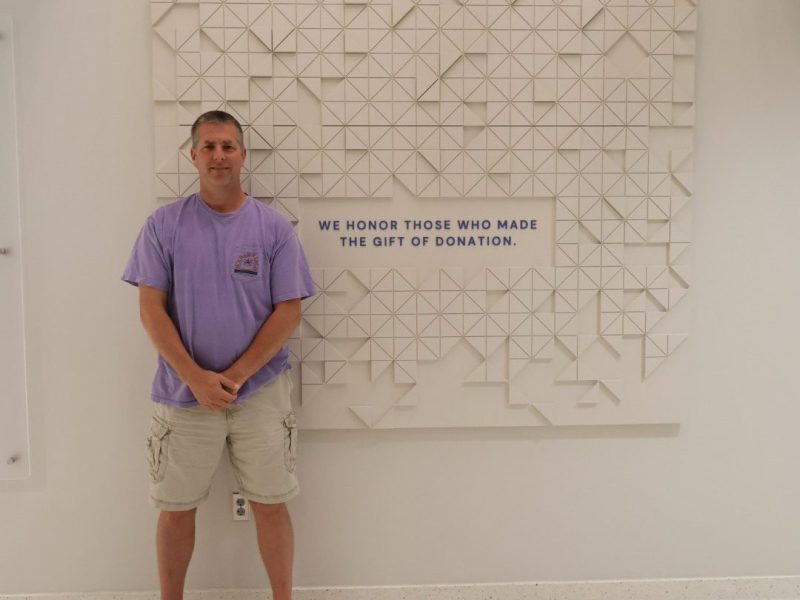
What came afterward was an unexpected experience of compassion. When HonorBridge called me, I didn’t know anything about organ or tissue recovery organizations, and I didn’t think Marie would qualify to donate anything. But the person on the phone was incredibly kind, patient, and gentle. They explained everything clearly during a time when my world was spinning. Their follow-up care, including the blanket they sent, made a tremendous difference. The process felt respectful and caring from beginning to end.
Knowing Marie was able to help others, after believing for so long that she couldn’t, is a source of comfort I didn’t expect. She loved people. She loved animals. Every Christmas, she quietly donated to our local animal shelter. She bought gifts for families who couldn’t afford them. She paid bills for co-workers when they fell behind. She did countless things no one ever knew about because she believed generosity should be quiet, not performative.
She also ran a small side business repurposing and decorating furniture. She had such an eye for beauty, for giving old things new life. It feels fitting, in a way, that even in death she was able to give something new and meaningful to others.
I often think about what she would say now. I know she’d be proud. I know she’d be happy to know she helped people who needed her. And I know she’d want others with complicated health issues to understand that donation may still be possible. Don’t assume it’s not an option. Let the experts make that call. Your loved one’s life may have ended, but their ability to give life or healing to someone else continues.
For me, that knowledge has brought peace. My memories of Marie live in my heart. She’s no longer physically here, but a part of her went on to help others. That’s a gift—not everyone gets the chance to give it, but Marie did.
And I couldn’t be prouder.
75 or more lives can be saved and healed by one organ, eye, and tissue donor. Sign up today!