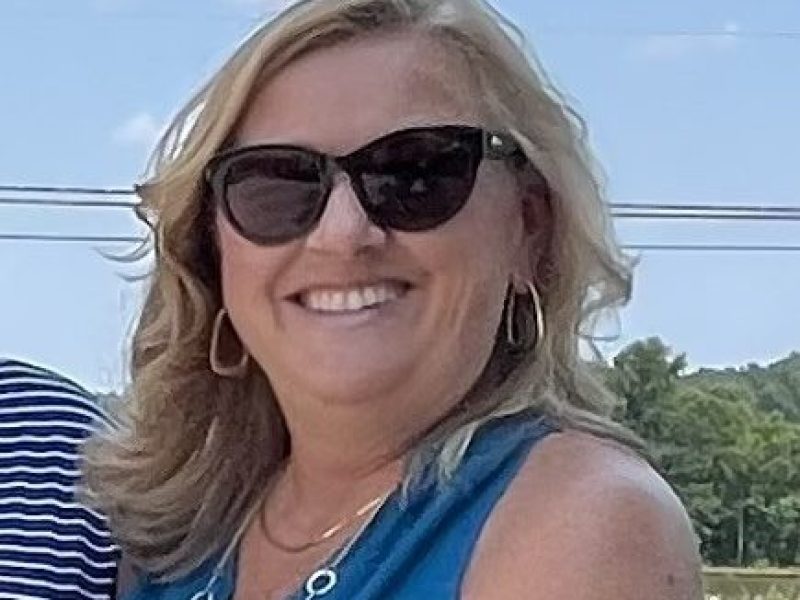
I received my heart transplant on May 24, 2025, at Duke, but the story of how I got there started years earlier.
I was first diagnosed with congestive heart failure around 2011, completely by accident. I had gone to the hospital because my mom was having hip replacement surgery. I was late and ran from the parking deck, and when I finally sat down with my parents, my dad, who had pulmonary fibrosis and was on oxygen, offered me some. I took a little, thinking I was just winded.
As we were sitting there, my mom’s physician assistant walked by, stopped, and asked if I was okay. I told her I was fine, just out of breath from running. She looked at me and said, “You don’t look very good. Why don’t you come with me?” She took me to the ER, where they ran an EKG and thought I might be having a heart attack. I wasn’t, but after a full day of cardiac testing, they diagnosed me with congestive heart failure. They didn’t know why. There was no history of heart disease in my family, so they assumed it was likely caused by a virus. I accepted that explanation and didn’t question it further. Looking back, I wish I had.
Several years later, my youngest daughter was pregnant with her second child. At her 20-week appointment, her doctor recommended additional testing. That’s when we learned she was a carrier of muscular dystrophy. She was carrying a baby boy, and he does have muscular dystrophy. He’s three now and thriving, and he’s absolutely the light of my life.
After her diagnosis, I was tested too and learned that I am also a carrier. One of the manifestations of being a carrier can be cardiomyopathy. I had no idea at the time of my original heart failure diagnosis.
When I was first diagnosed, my ejection fraction was around 20 percent, which is very low (ejection fraction is the percentage of blood that gets pushed out with each beat). I received a pacemaker and defibrillator early on, and for years, my defibrillator never went off. I lived a pretty normal life. I took heart medications and diuretics, but I traveled, stayed active, and felt mostly okay. Things changed in April of 2025.
One night, I didn’t feel well and laid down on my bed. My heart started racing (called A-fib, or atrial fibrillation), and I began vomiting. Suddenly, I was very, very sick. My boyfriend, Isaac, was with me and called an ambulance. As soon as I got into the ambulance, they started an IV, which immediately knocked me out of A-fib. I went to the hospital and was released, with instructions to follow up with my cardiologist. When I did, he told me it was one episode of A-fib and that we’d just monitor it.
On May 1, I went on a sailing trip to the British Virgin Islands. I didn’t feel good the entire time. I brought a pulse monitor with me, and my heart rate was racing constantly. I knew I was in A-fib, but I stayed, finished the trip, came home, and went straight to Duke the next day. From there, things spiraled quickly. One night in the hospital, I coded four times. My heart was essentially giving up. At that point, the goal was simple: keep me alive long enough to find me a new heart. Five days later, they did.
I had been told that when the call came, it would say “Duke” on my phone, and that I had to answer. If I didn’t, the heart would go to someone else. I held onto my phone constantly for five days. When the call finally came, it was around midnight.
Everything happened so fast. I didn’t have months to sit and worry about waiting for a heart. It was more like, “Your heart is failing, and we need to do this now.” In some ways, that was a blessing. There wasn’t time to dwell on what it all meant; I just had to move forward. But nothing could have prepared me for the recovery process. I spent far longer in the hospital than I ever expected. Eventually, I was discharged to a rehab facility, and even when I came home, I wasn’t ready. I couldn’t walk, and I couldn’t take care of myself. It put a lot of pressure on my family, and I needed in-home care for months. It wasn’t until the end of September that I finally felt stable enough to let that support go.
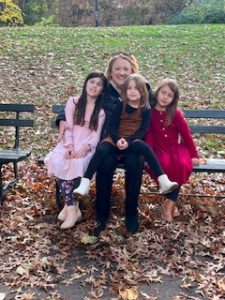
It was all worth it, because I have so much to live for. I have two grown daughters, both married, and five grandchildren ranging from eight months to almost nine years old. Earlier this year, before any of this happened, I decided to move closer to my daughters. Looking back, it feels like it happened exactly when it needed to. Having them nearby made all the difference. My boyfriend, Isaac, has also been my rock. He’s been with me since my original diagnosis and never left. Without him, I don’t know what I would have done.
About a month after my transplant, once the fog lifted a bit, I started thinking about my donor. I wondered who they were, and I wondered about their family and how they were coping. I wondered if they thought about me. I know my donor was from the eastern seaboard, but that’s all I know. After six months, I wrote a letter to their family. I didn’t know what to say except thank you. I told them I understood how difficult their decision must have been and how profoundly grateful I am. I wouldn’t be here without organ donation. I wasn’t ready to go, and my family certainly wasn’t ready to lose me.
I had always been an organ donor myself, but being a recipient changes everything. You realize just how many lives one person can touch.
Today I feel good. I’ve regained a lot of my strength, even though I’m not 100 percent, but that’s okay. I’m learning to give myself grace and I’m more grateful for every day now. My priorities have shifted. I’m more of a homebody, more centered on my family. I look forward to simple things—holidays, school programs, and time with my grandchildren. That’s what keeps me going.
To anyone waiting for a transplant, I would say this: don’t give up hope. It’s a long, hard road, but it does get better. This has been the hardest thing I’ve ever done in my life, but I am here. I know I wouldn’t be here without the gift of a new heart. Such a blessing. Being an organ donor is a selfless, beautiful gift you can give someone. It changed the lives of my family who were certainly not prepared for my absence. I can’t say thank you enough!
75 or more lives can be saved and healed by organ, eye, and tissue donation. Sign up today!